

You can watch our video teaching the Bridge Diagram, but you’ll be able to learn and use the method even if you don’t watch it.
What Is the Bridge Diagram?
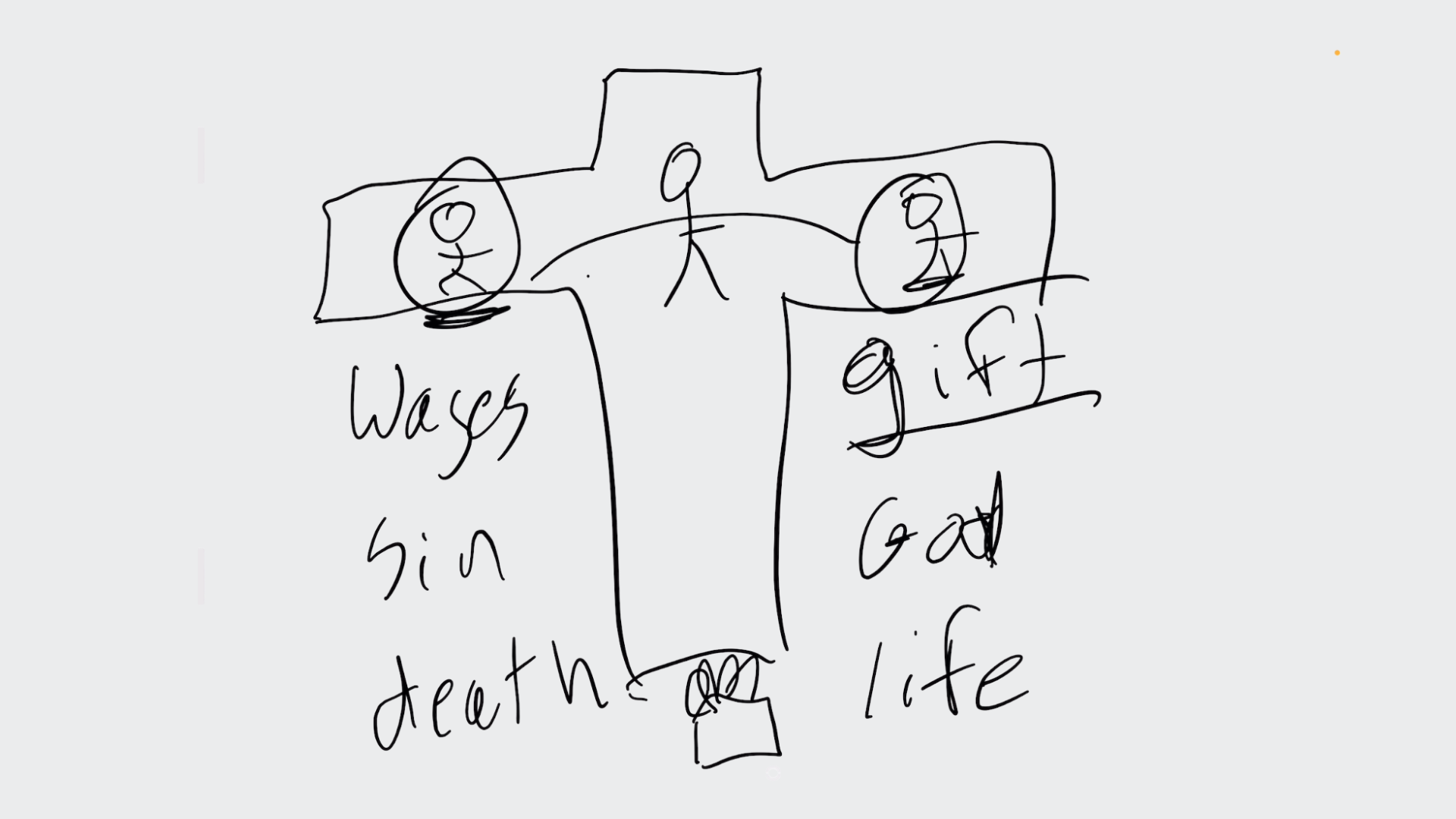
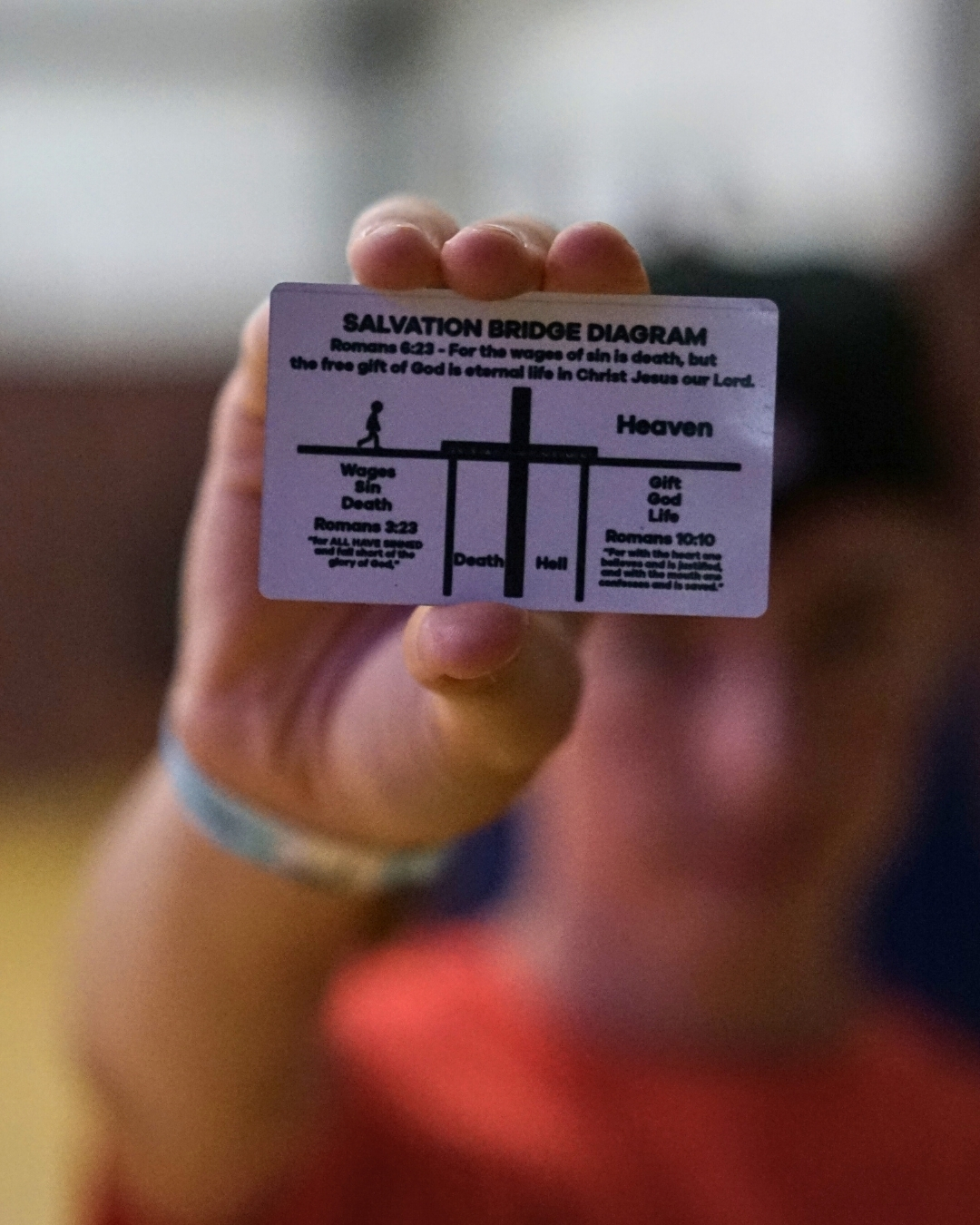
The Bridge Diagram is a visual way to explain the Gospel using Romans 6:23:
“For the wages of sin is death, but the gift of God is eternal life in Christ Jesus our Lord.”
It helps people see the gap between humanity and God, what we earn through sin, and the gift God freely offers through Jesus.
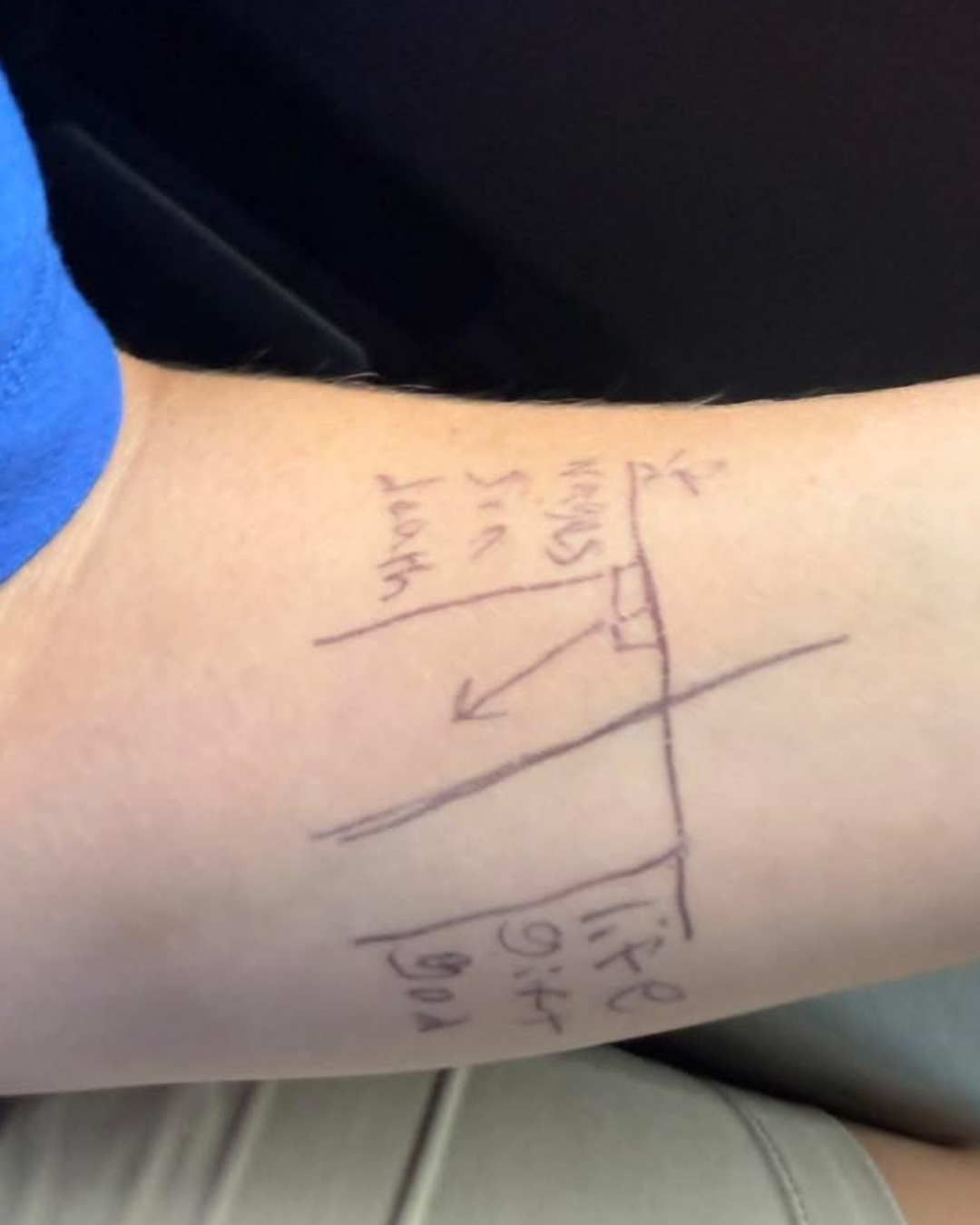
We’ve seen people use this diagram everywhere — on paper, napkins, pizza boxes, or even drawn on their arms! It’s a versatile tool that makes sharing the Gospel simple and memorable.
The Verse Behind the Bridge — Romans 6:23
Why This Verse Works So Well
Romans 6:23 is powerful because it tells the whole Gospel in one sentence. It has two clear sides:
- The wages of sin — what we earn for our mistakes, regrets, and rebellion against God.
- The gift of God — eternal life, given freely through Jesus Christ.
Each key word in the verse can open a conversation about faith. Using this single verse, you can help someone understand the problem, the solution, and how to respond.
How to Draw and Explain the Bridge Diagram
Here’s a step-by-step guide to sharing the Bridge Diagram effectively. Include images at each stage to help learners visualize it.
Step 1 — Write the Key Words
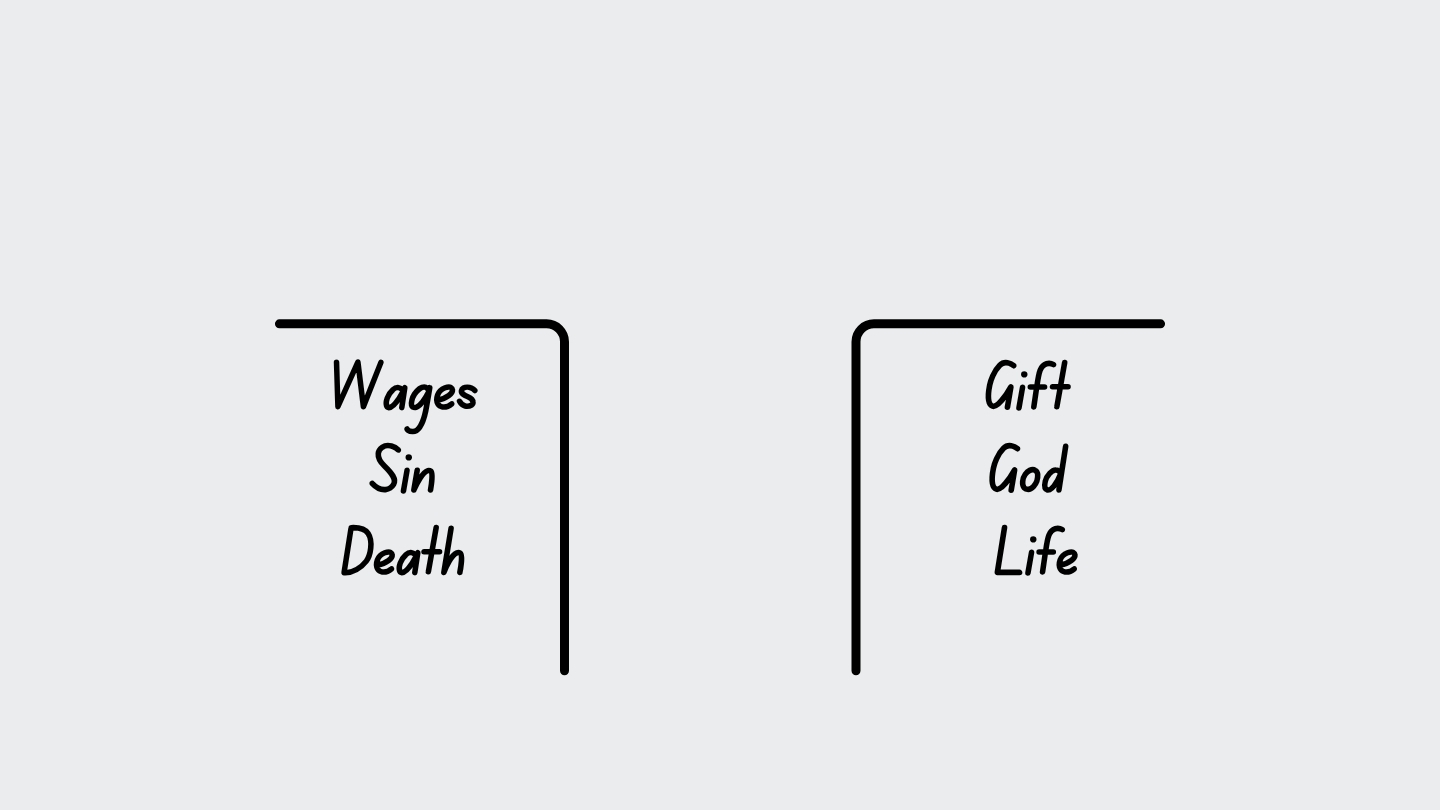
Write just the key words:
Wages – Sin – Death // Gift – God – Life
As you write, say the full verse aloud. Keeping it simple helps people focus on the conversation rather than reading a long passage.

Step 2 — Talk About “Wages” and “Sin”
Ask the person:
- “What comes to mind when you hear the word wages?”
- Guide them to understand that wages are what we earn.
Then ask:
- “What’s an example of sin?”
Help them see that sin separates us from God. This creates the gap — the space the bridge will cross.
Step 3 — Explain “Death” and “God”
- Clarify that “the wages of sin is death” means spiritual separation from God.
- Explain that God is holy and just, and must respond to sin.
This shows the human dilemma: we cannot bridge this gap on our own by being good, going to church, or doing religious acts.
Step 4 — Share the Good News: “The Gift of God”
- Ask: “How would you define a gift?”
- Emphasize that eternal life is a free gift, not something we earn.
- Illustrate using everyday examples, like a Christmas gift purchased for someone but not theirs until they receive it.
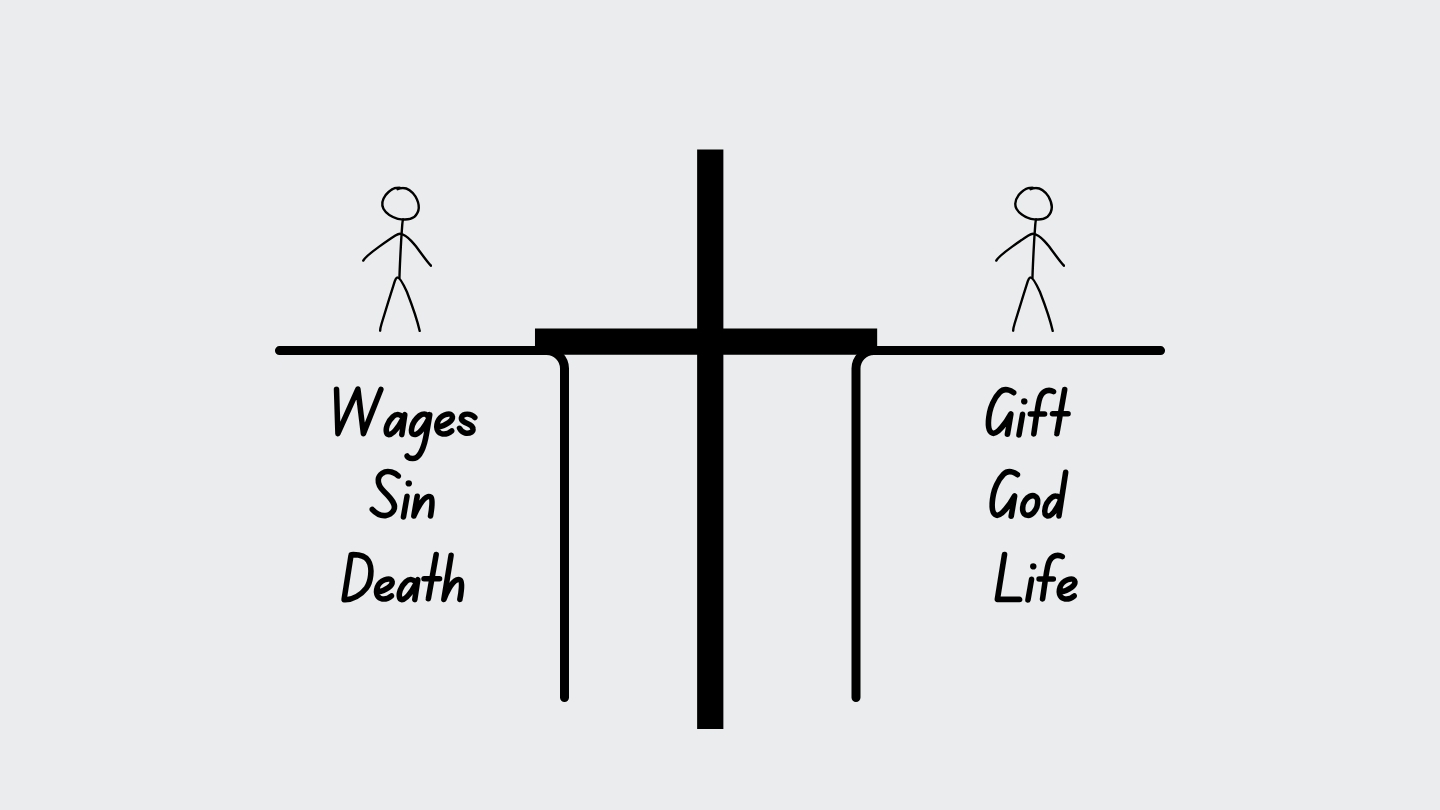
Draw the cross bridging the gap — Jesus is the bridge that allows us to move from death to life.

Step 5 — Invite a Response
Ask: “Where would you put yourself on this diagram?”
If they place themselves on the left side (still earning wages for sin):
Ask: “Is there any reason why you wouldn’t accept Christ right now?”
Then give them space to answer.
- If they say yes, guide them in a simple prayer to receive Jesus.
- If they’re unsure or not ready, don’t push. Encourage them to learn more, keep asking questions, or come to church with you.
If they place themselves on the right side (they’ve been made right with God through Christ):
Celebrate that!
Ask: “When was the time you gave your life to Christ?”
Then ask what church they’re a part of, and encourage them to keep growing in their faith.
Even if someone is already a believer, we want to help them take a next step toward Jesus. Talk together about what that next step might be.
If they place themselves in the middle:
That can happen for a few different reasons:
- They may feel unsure about their salvation. Maybe they grew up around church or believe in God, but they’ve never made a personal decision to trust Christ as Savior.
- They may think good works or religion will get them across. They might see themselves “in progress,” trying to reach God through effort, morality, or church attendance.
- They may be afraid to commit. Some people sense the truth of the Gospel but hesitate because they know following Jesus will change everything.
Remind this person that it’s only the finished work of Jesus that saves us. There’s nothing we can do on our own to get to God—He’s already made the way through Christ.
Tips for Sharing the Bridge Diagram Effectively
Keep It Conversational
- Ask open-ended questions like: “What do you think this means?”
- Listen more than you talk — this builds trust and clarity.
Use Everyday Situations
- Draw the diagram anywhere — on paper, napkins, or even your hand.
- The goal is a clear conversation, not a perfect drawing.




Don’t Force It
- You can’t push anyone into the kingdom.
- Share the truth in love and trust the Holy Spirit to work in their hearts.
Practice Sharing the Bridge
The best way to get comfortable is to practice.
- Try drawing and explaining the Bridge Diagram with a friend or small group this week.
- Watch how God uses your conversation. It might be easier than you think!
- The more you practice, the more natural it becomes.