


Summary: To practice Sabbath, set aside one day each week to cease from normal work activities, rest in God’s presence through worship and Scripture, delight in relationships, and embrace activities that restore your soul rather than deplete it.
Why We Desperately Need Sabbath Rest
Have you ever felt like you’re running a race that never ends? That no matter how much you accomplish, there’s always more demanding your attention? You’re not alone. Despite living in the most prosperous era in human history, our generation struggles with unprecedented levels of anxiety, depression, and burnout.
Consider this striking reality: our nation has never been wealthier, yet our marriages are no more fulfilling, our families no more intact, and mental health challenges continue to rise. Young adults between 18 and 34 report higher rates of stress than any previous generation. Middle-aged adults face all-time highs in financial and economic anxiety. We medicate our restlessness through entertainment, substances, unhealthy relationships, and endless productivity. We’ll try anything to numb the ache of soul-deep exhaustion.
We’re like travelers lost in a maze, frantically running from one dead end to another, when the directions for finding our way have been with us all along.
The Paradox of Prosperity Without Peace
The hamster wheel of modern life spins faster each year. We trust that the next promotion, purchase, or achievement will finally bring the peace we’re seeking. But it never quite does, does it? The writer of Ecclesiastes calls this “chasing the wind.” You never catch it, and even when you think you do, it doesn’t fulfill.
We’ve bought into the lie that life is measured by productivity, by what we accomplish and accumulate. But here’s the truth that sets us free: life is not about your production. Life concerns your holiness, becoming more like Christ. Everything you produce will one day be consumed by fire. Only three things are eternal: God, His Word, and people.
What God’s Rest Reveals About Our Design
This isn’t just a cultural problem. It stems from misunderstanding how God designed us. God wired rest into the very fabric of your being. Your body requires sleep, or you won’t think clearly, behave well, or remain emotionally stable. The effects of sleep deprivation are well documented. But God didn’t have to design us this way. He built this need into our DNA as a constant reminder: you were never meant to run indefinitely on the hamster wheel of endless work.
Sabbath isn’t about weakness or laziness. Sabbath acknowledges a profound truth: life is not about what you do, but who you are in Christ.
The Biblical Foundation of Sabbath
The invitation to Sabbath rest echoes through Scripture, perhaps nowhere more powerfully than in Jeremiah 6:16: “Stand by the roads and look and ask for the ancient paths, where the good way is, and walk in it, and find rest for your souls.”
God is calling us to pause at the crossroads of our frenzied lives. To stop running blindly. To look around. To seek wisdom from those who have walked with Him. And then to walk in obedience on the ancient path He’s marked out for us.
God’s Pattern in Creation
Sabbath begins at the very beginning, in Genesis, at creation. God created the world, and on the seventh day, He rested. Now, do you think God was tired? Of course not. God doesn’t need rest. He doesn’t grow weary. He is self-sustaining and complete in Himself.

So why did God rest? He rested to give you and me an example: work six days and rest on the seventh. In your very makeup, in your DNA structure, God has woven the need for regular rest. You need to stop. You need to rest. Not because you’re weak, but because life is not about what you do. Life is about who you are.
Sabbath as a Gift
Here’s the beautiful truth many believers miss: Sabbath is not a burden to bear but a gift to unwrap. When God gave the Ten Commandments in Exodus 20, He included Sabbath right in the middle. The first commandments focus on honoring God. The latter ones address how we treat other people: don’t steal, don’t commit adultery. But positioned between them is the Sabbath command, the only one that directly speaks to your personal well-being.
The Father offers this as a gift from His heart.
As Paul writes in Colossians, we shouldn’t let anyone judge us regarding Sabbath days, because “these are a shadow of the things that were to come; the reality, however, is found in Christ.” Sabbath is not law. We get to practice Sabbath, not because we have to, but because Christ invites us. The reality is found in Christ, who says: “Come to me, all who are weary and heavy-laden, and I will give you rest.”
How to Practice Sabbath: Four Essential Rhythms
So what does practicing Sabbath actually look like? The prophet Jeremiah gives us four simple commands that lead to soul rest: stand, look, ask, and walk in it. These translate into four practical rhythms for Sabbath keeping. The four essential rhythms are to cease, rest, delight, and worship.

Cease from Normal Work
To stand means to stop running. Ceasing means no longer rushing carelessly through life without contemplating consequences or God’s direction. When you come to a crossroads, pause. Be still. The Bible tells us, “Be still and know that I am God.”
Practically, this means setting aside normal workday activities for one full day each week. If you work with your hands during the week, engage your mind on Sabbath. If you work with your mind all week, work with your hands on your Sabbath. For some, rest might look like gardening on Sunday afternoon, getting your hands in the soil, surrounded by God’s creation. For others, rest looks like a slow morning without rushing, without checking email, without the endless to-do list calling your name.
The key is to get your work done for the rest of the week. Don’t save your chores and catch-up work for your Sabbath day. Prepare ahead so that when your Sabbath arrives, you’re truly free to rest.
Rest in God’s Presence
Rest goes deeper than mere physical inactivity. Rest means finding your contentment in God Himself. In Him alone will you find true contentment, satisfaction, and fulfillment. You can even practice a daily Sabbath by carving out time each day to put your phone away and just be with Jesus. Breathe in His presence. Spend time in His Word. Think. Pray. Listen to the Father.
The Bible says, “Cast all your cares upon Him and He will lift you up.” Like a sinking boat that rises when you remove the cargo, you’ll be lifted up when you release your burdens to the Father. This posture opens the way to rest for your souls.
Delight in Relationships and Creation
Sabbath isn’t about isolation. Sabbath invites us into connection. Spend time with people you love. Fellowship over meals together. Food is an important theme throughout Scripture; God gave it to us as one of His good gifts, meant to be enjoyed in community.

What activities give you energy rather than depleting you? For some, it might be a nap without guilt. For others, getting out on a hike surrounded by creation does something deep in the soul. Maybe watching your grandchildren play brings you life, or your kids arguing over Monopoly. Whatever brings life and joy to your heart, embrace it on the Sabbath.
Worship Throughout the Day
Sabbath begins and ends with worship. Attend corporate worship with God’s people. But don’t let worship end when you leave the building. Pray before meals, even if you’re at a restaurant. Before bed, open Scripture and let God’s Word wash over you.
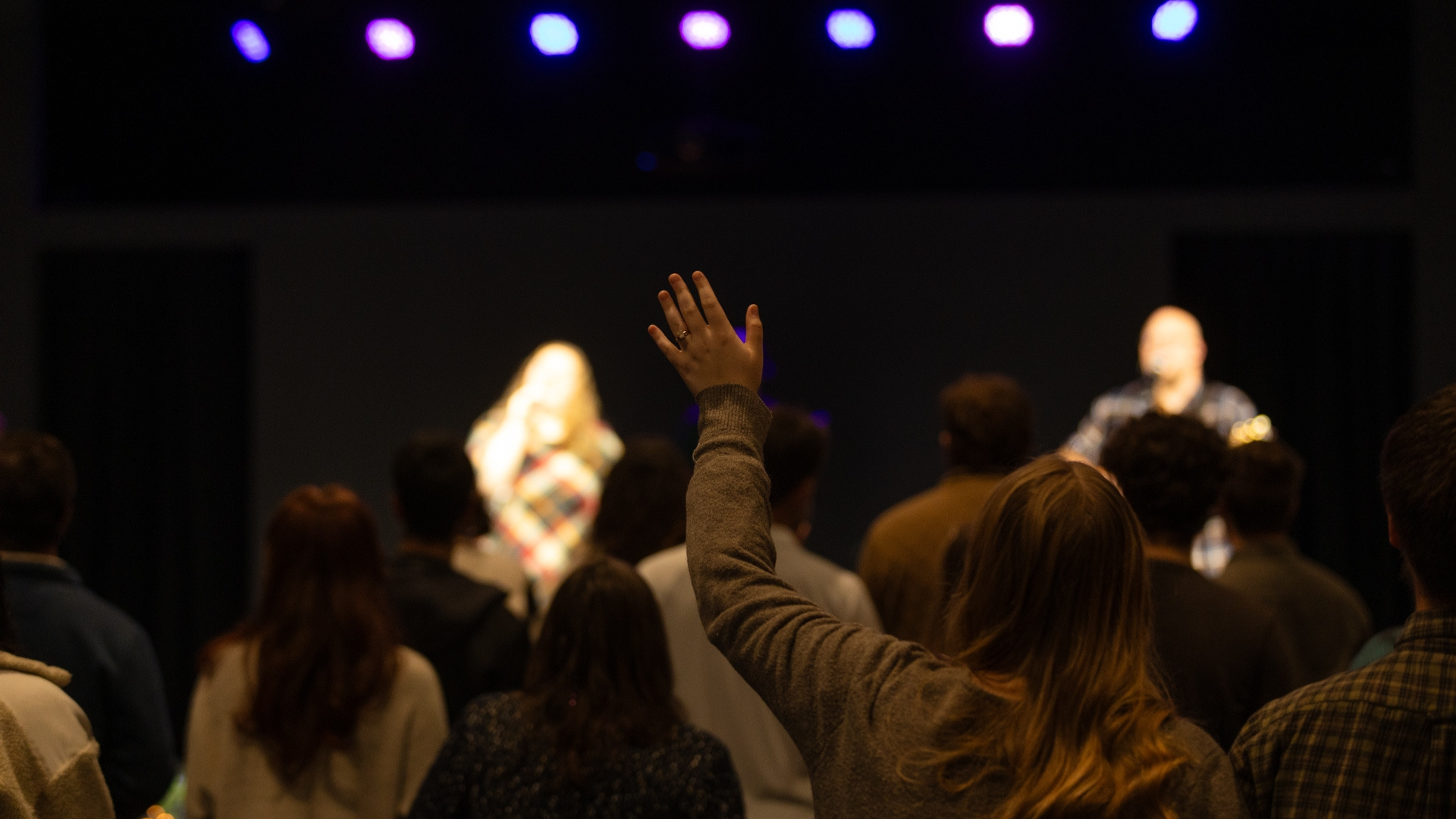
Take time to reflect: Where did I see God this week? Where have I resisted Him? What is God inviting me to trust Him with in the coming days? This is worship: acknowledging God’s presence and lordship over every moment of your life.
Starting Your Sabbath Journey
What Sabbath Can Look Like Practically
For most believers, Sunday makes the most sense as a Sabbath day, though the specific day matters less than the practice itself. Consider starting Saturday evening with intentional preparation. Get to bed at a reasonable time. Pray for the Sunday morning worship service and for those who might attend who are hurting, broken, or lost.
On Sunday morning, worship with your church family. Then spend the afternoon truly resting. Don’t just collapse in front of a screen (we all know that doesn’t actually refresh us). Instead, engage in activities that restore your soul. Share meals with loved ones. Take a walk. Sleep without guilt. Read for pleasure. Be present with those around you.
The point is not to create a new set of rigid rules, but to rediscover the rhythm of rest that God designed for our flourishing.
Finding Rest for Your Soul
Sabbath keeping is more than religious activity. Sabbath isn’t about checking boxes or proving our devotion. Sabbath keeping centers on relationship with Jesus. When we practice Sabbath, we acknowledge that our deepest need is not to be filled with more work, more achievement, more productivity. Our deepest need is to be formed by Him. Not to be satisfied by the world’s offerings, but to be surrendered to the One who gives rest for our souls.
You’re standing at a crossroads right now. You can keep running blindly through the maze, exhausting yourself at every dead end. Or you can pause, look at the directions that have been with you all along, and choose the ancient path.
Stop. Look. Ask. And walk in obedience to find rest for your souls.
The invitation stands. Will you accept it?