
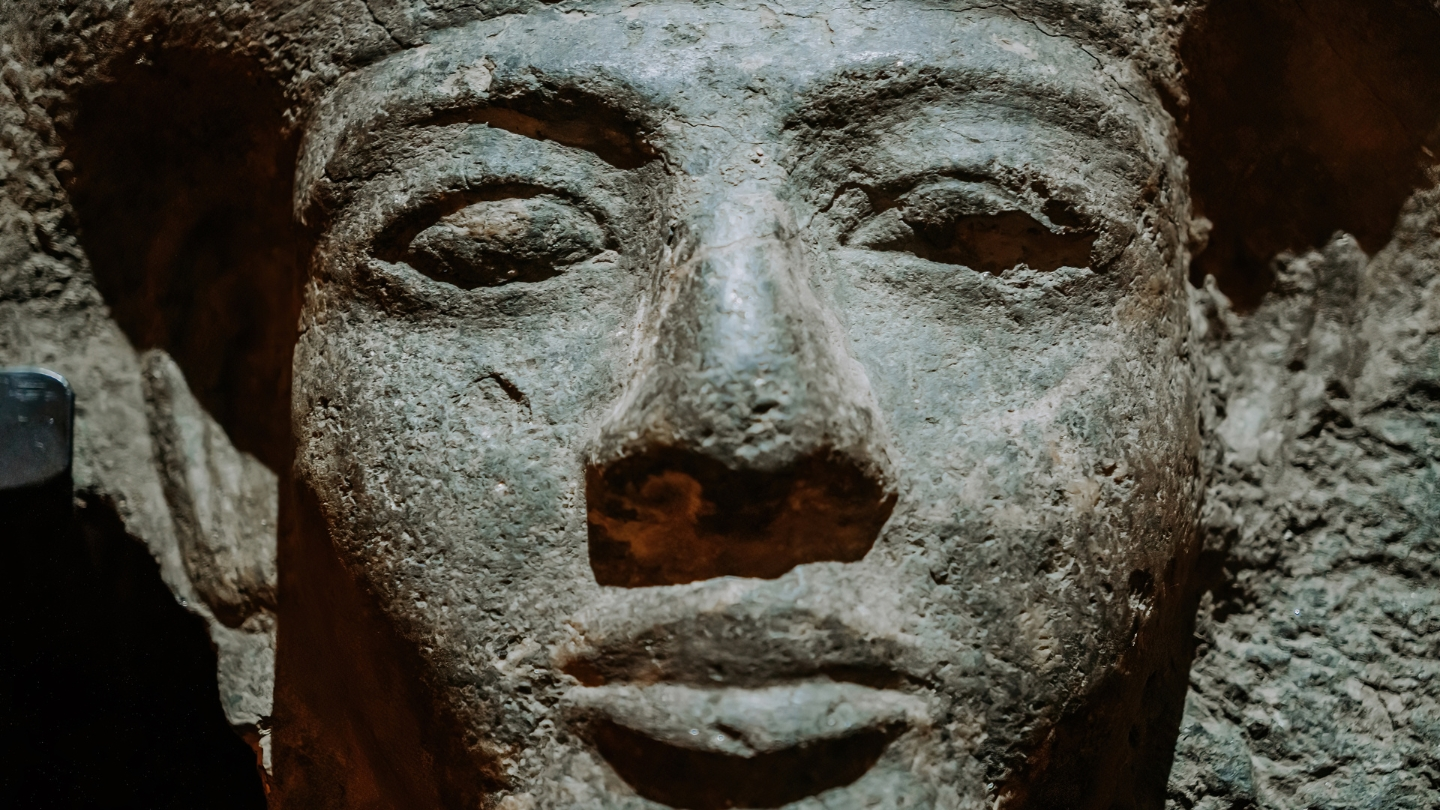

Summary: God didn’t force Pharaoh into rebellion. Pharaoh hardened his own heart ten times during the first five plagues, and God later confirmed him in that choice after giving him repeated opportunities to repent.
If you’ve ever read through the book of Exodus, you’ve probably stumbled across one of the Bible’s most puzzling statements: God hardened Pharaoh’s heart. And if you’re like most Christians, you’ve probably wondered: Wait, if God is the one who hardened his heart, how is that fair? How can Pharaoh be held responsible?
It’s a great question and an honest one. In fact, it’s exactly the kind of question that shows you’re reading the Bible carefully. So let’s dig into this passage and see what’s really going on.
The Question: Is God Unfair to Pharaoh?
Here’s the dilemma: If God hardened Pharaoh’s heart and prevented him from letting the Israelites go, doesn’t that mean Pharaoh never really had a choice? And if he didn’t have a choice, how can God justly punish him with the ten plagues?
It seems like a case of divine unfairness at first glance. But when you look at the entire story (not just isolated verses), a different picture emerges.
What Does “God Hardened Pharaoh’s Heart” Actually Mean?
To understand what’s happening in Exodus, we need to look at how the text actually describes Pharaoh’s heart. The word “harden” appears 20 times throughout the Exodus account, but it’s used in three different ways:
1. God Prophesies He Will Harden Pharaoh’s Heart (2 times)
The first two times we read about hardening, it’s God telling Moses ahead of time what’s going to happen. This is prophetic language. And here’s something important to understand about biblical prophecy: when a prophet announces judgment, it’s rarely unconditional. There’s almost always an opportunity for repentance.
Think about Jonah. He went to Nineveh and basically said, “God’s going to destroy this city.” He didn’t even mention repentance as an option! But when the king and the people repented anyway, God relented and spared the city. The assumption throughout Scripture is that judgment can be averted through genuine repentance.
Pharaoh had that same option.
2. Pharaoh Hardens His Own Heart (10 times)
Here’s where things get really interesting. For the next ten times the text mentions hardening, it explicitly says that Pharaoh hardened his own heart.
During the first five plagues, Pharaoh repeatedly made the choice to harden his heart. He refused to relent. He refused to bow down to God. Again and again, he saw God’s power on display, and again and again, he chose to dig in his heels.
God didn’t force Pharaoh’s hand. Pharaoh made his own stubborn choice to rebel.
3. God Confirms the Hardening (8 times)
Only in the final eight instances does the text say that God hardened Pharaoh’s heart. But by this point, what’s happening?
God is confirming what Pharaoh has already chosen. He’s not causing something new to happen. Pharaoh has repeatedly rejected God’s mercy, refused to respond to God’s signs, and chosen to keep Israel enslaved. God is essentially saying, “You’ve made your choice. Your heart is hard. I’m confirming that reality.”
It’s similar to what we read in Romans 1:24-28, where God “gave them over” to their sins. When people persistently reject God and choose their own way, there comes a point where God confirms them in their choice.
God’s Judgment Wasn’t Arbitrary
It’s also crucial to understand that this wasn’t some random guy who got caught in the crossfire. This was Pharaoh, the same ruler who:
- Enslaved 1.5 million people
- Likely ordered the murder of countless Hebrew baby boys (including during Moses’ infancy)
- Committed systematic oppression and violence
“The wages of sin is death.”
— Romans 6:23
Pharaoh’s sins were grievous. The judgment of God against him was absolutely deserved. In fact, when you look at it from that angle, the ten plagues were actually acts of mercy. Pharaoh didn’t die from any of the plagues, even though his crimes warranted death.
Instead, God gave him chance after chance. Each plague ramped up in intensity, like God was saying, “Are you paying attention yet? Do you see what you’re doing? Turn back.”
What Was the Point of the Plagues?
God makes His purpose clear throughout the Exodus account. In Exodus 9:14-16, He tells Pharaoh:
“For this time I will send all my plagues on you and your servants and your people, so that you may know that there is none like me in all the earth… But for this purpose I have raised you up, to show you my power, so that my name may be proclaimed in all the earth.”
— Exodus 9:14-16
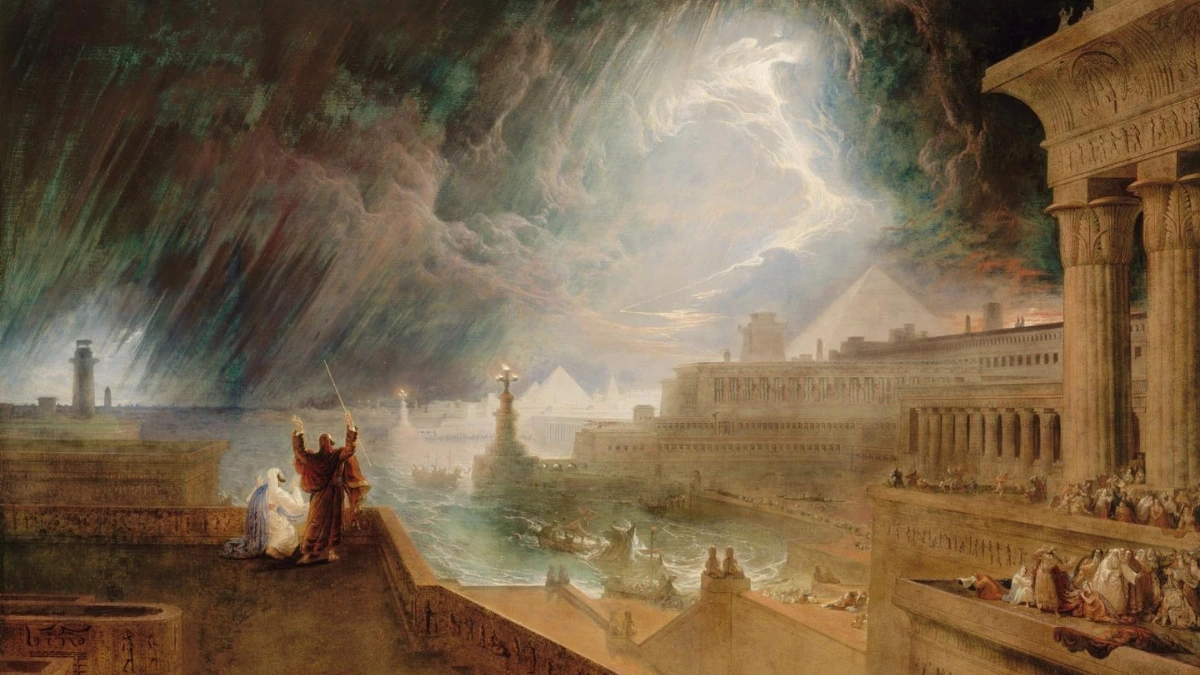
The plagues demonstrated that:
- The Lord is in control of the earth and all creation
- There is no god like the God of Israel
- God’s power and name would be proclaimed throughout the world
Every plague was an opportunity for Pharaoh to acknowledge God’s supremacy and release His people. Every plague was a display of both God’s power and His patience.
So Is God Unfair to Pharaoh?
Not at all. Here’s what we see in the complete picture:
- Pharaoh was given multiple opportunities to repent (like Nineveh was through Jonah)
- Pharaoh repeatedly chose to harden his own heart during the first five plagues
- God eventually confirmed Pharaoh in his chosen path, giving him over to his own rebellion
- Pharaoh’s judgment was deserved based on his crimes of murder and oppression
- The plagues were actually merciful, giving Pharaoh repeated chances to turn
God didn’t arbitrarily pick on Pharaoh. He gave him grace, showed him mercy, and provided opportunities to respond. Pharaoh refused every single time.
The Bigger Picture
This passage isn’t just about ancient Egypt. It’s a sobering reminder that:
- Our choices matter. When we persistently harden our hearts against God, we set ourselves on a dangerous trajectory.
- God is patient, but judgment is real. He gives people time to repent, but there comes a point of no return.
- God’s mercy is incredible. Even in judgment, we see His restraint and His desire for people to turn to Him.
Final Thoughts
The story of Pharaoh’s hardened heart shows us the serious consequences of persistent rebellion against God and the incredible patience He shows even to those who deserve judgment.
Pharaoh had every opportunity to humble himself, acknowledge the God of Israel, and let the people go. Instead, he chose pride and power. And ultimately, God confirmed him in that choice.
There’s a more important question here than “Why did God harden Pharaoh’s heart?” We should be asking: “What am I doing with the opportunities God is giving me to respond to Him?”